In a lot of places, you beat the summer heat by finding shade. In Korea, shade barely helps. Step out of the sun and the air is still warm, wet, and heavy — the kind that fogs your glasses, soaks your shirt before you reach the subway, and makes your hotel’s air-con feel like the best thing you’ve ever paid for.
Korean summer isn’t really about the sun. It’s about the humidity. The good news: locals have spent generations figuring out how to live with it — what to carry, when to hide indoors, and the cheap, slightly magical ways to actually cool down. Here’s the playbook.
Short answer: Korean summer is humid, not just hot — shade doesn’t help, and it gets worse right after rain, not better. Plan mornings and evenings outdoors, indoors at midday, and cool off the way locals do: a mountain valley with your feet in the water, or a Han River outdoor pool for about ₩5,000. Watch the forecast for jangma (the rainy month, roughly late June into July — the dates are never announced in advance).
What Korean summer actually feels like
Summer runs roughly June through August, with a sticky tail into September. Daytime highs usually sit in the high 20s to around 30°C, pushing into the mid-30s during a heat wave — but the number on the forecast isn’t the real problem. The humidity is, and the “feels-like” temperature runs hotter. It’s a touch drier than Bangkok, but still sticky enough that you sweat standing still, and unlike a dry-heat summer, ducking into the shade won’t save you — the air itself is warm and damp.
And here’s the twist most visitors get backwards: it doesn’t cool down after the rain. It gets worse. More on that in a second.
What to pack (the things locals actually carry)
Sunglasses. The summer UV is strong, and these days Koreans wear them for eye health as much as for style. If you’re constantly ducking in and out of shops, cafes, and subway stations, photochromic (light-adjusting) lenses save you from swapping glasses all day.
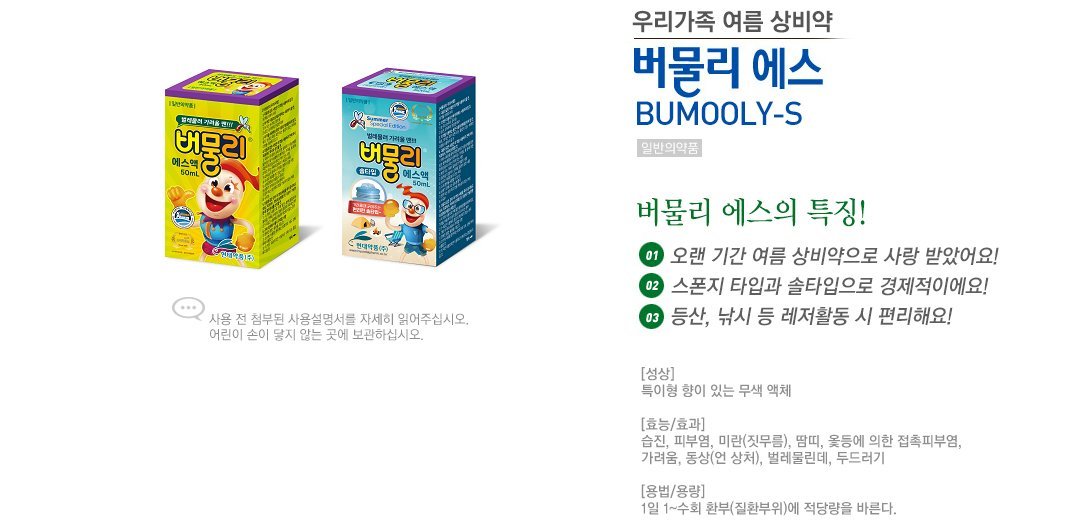
Something for mosquito bites. Summer brings mosquitoes, especially near water and at dusk (a brutal heat wave can actually thin them out, and there’s nothing tropical to worry about on a normal city trip — just the itch). If you’re loyal to a specific repellent, bring it; otherwise any pharmacy or Daiso stocks the basics cheaply (skip the airport). One local heads-up: you’ll hear about mulppas (물파스), a cooling medicated rub — but it’s mainly for sore muscles, only soothes itch a little, and is not a repellent (it won’t keep mosquitoes off you). To actually stop the itch, ask a pharmacist for Bermuli (버물리). And don’t use camphor rubs on young children.
A reusable tumbler or water bottle. Every Korean restaurant gives you free drinking water, so you can fill up before heading back into the heat. Bonus: many cafes (especially in Seoul) knock 100–300 won off your drink if you bring your own cup (Seoul tops that up further, but the bonus lands as local payment-app points most visitors can’t use) — and with a cafe on practically every corner, you’re never far from an iced americano and some aggressive air-con.
A handheld fan, light breathable clothes, and sunscreen round out what most locals carry in July.
The two summer curveballs: jangma and typhoons
Jangma — the rainy season. For about a month, usually from late June into late July, a rain front parks over Korea and brings wave after wave of heavy rain and humidity. The timing shifts every year — some summers it’s short, some it drags into August — and Korea’s weather agency doesn’t announce the dates in advance, so check the live KMA forecast near your trip rather than trusting fixed dates online. It rarely rains all day, every day; it comes in bursts with humid, gray breaks.
Take the heavy-downpour days seriously: don’t hike or sit in mountain valleys and streams when rain is forecast, and avoid underpasses and semi-basement spaces in a downpour. Your phone will also blast a loud emergency alert (jaenan-munja) — don’t panic; since 2024 they include English keywords, and you can install the free Emergency Ready App for full English alerts and shelter maps. Save 1330 (English travel hotline), 119 (fire/ambulance), and 112 (police).
Typhoons. A few pass near Korea each year, mostly July through September, with August the peak. Most just mean a wet, windy day or two, but a strong one can ground your plans — that’s a museum-and-mall day, not a hiking day — or a half-indoor theme park (Lotte World is the rain-proof one). Watch the forecast and don’t push outdoor plans against a typhoon warning.
How locals actually beat the heat
This is the fun part — and where you’ll have a far better time than the tourists wilting in palace courtyards at noon.
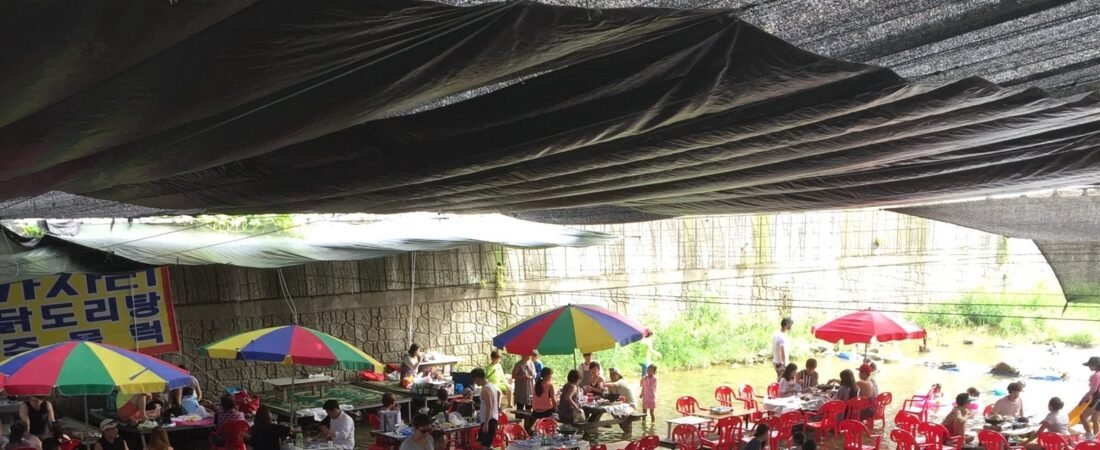
Escape to a valley (gyegok). Koreans don’t only run to the beach in summer. Just as often, they drive up into the mountains to a gyegok — a cool, shaded mountain stream. You grab a folding chair, put your feet in water cold enough to make you gasp, and sit there with a cold drink (beer included) and slices of watermelon while the heat just stops mattering. Some spots still rent raised wooden platforms (pyeongsang) over the water, though a 2026 nationwide crackdown removed most of the unpermitted ones — don’t count on finding one.
Based in Seoul without a car? You don’t have to leave the city — both are a straight subway ride on a T-money card (Naver Map will get you to either one — Google Maps has transit here, but its walking and driving directions don’t work in Korea) — a couple of gyegok right inside Seoul are easy to reach and fill up with locals all summer: Byeogun Valley (벽운계곡) in the northeast near Suraksan (note that cooking is not allowed at the stream, so bring food ready to eat), and Sillim Valley (신림계곡) in the south, by Gwanaksan.
What to bring for a valley day:
- Aqua shoes or Crocs — the streambed is rocky and slippery, and bare feet get cut.
- Swimwear or a rashguard, plus a change of clothes — you’ll get wet, and the water runs cold.
- A mat and a folding chair — for claiming a shady spot to sit.
- Sunscreen, a hat, and mosquito repellent — you’re outside, near water, for hours.
- A waterproof phone pouch, plus snacks and drinks — and a tube or water toys if you’ve got kids.
One thing locals know: charging a pure seating fee (jaritse) just to sit by the stream is illegal under Korea’s minor-offenses law, and you can refuse — most places get around it by bundling the platform into a (marked-up) meal. Speaking of which, nearby you’ll usually find restaurants serving baeksuk, a whole chicken simmered into a clean, rich soup. Valley restaurants charge a heavy premium — expect 70,000–100,000 won for the chicken, a fraction of which is what an ordinary restaurant in town charges (Korean media treat valley pricing as gouging, so check the menu before you sit down), and a group outing runs higher once the platform and drinks are in — but split between three or four people with a bottle of makgeolli, it’s a proper feast. Just the two of you? Order a jeon (savory pancake) with makgeolli instead.
One real safety rule: never sit in a valley right after heavy rain or during the rainy season. Mountain streams flood fast and without warning when it’s raining upstream — if the water starts rising or turning muddy, get out immediately. People have died exactly this way.
Swim at a Han River pool — and stay for the sunset. When travelers think “pool” in Korea, they picture a pricey hotel or a far-out water park (often 50,000+ won a head). But Seoul has a cheap, very local secret: outdoor pools right in the Han River parks for 5,000 won for adults (verified July 2026). Buy at the on-site ticket booth — bring cash, and don’t count on tapping a transport card. The 2026 season ran June 19–Aug 30. Base hours are 9 a.m.–6 p.m.; Ttukseom, Yeouido, Jamsil and Nanji extend to 10 p.m. from early July. Swimming stops 30 minutes before closing, and they run in 45-minutes-in, 15-minutes-out sessions. The Ttukseom and Yeouido pools are your best bets — the Jamwon pool is closed for renovation and has no announced reopening date — Seoul has phased construction through 2026–2027 (checked July 2026).
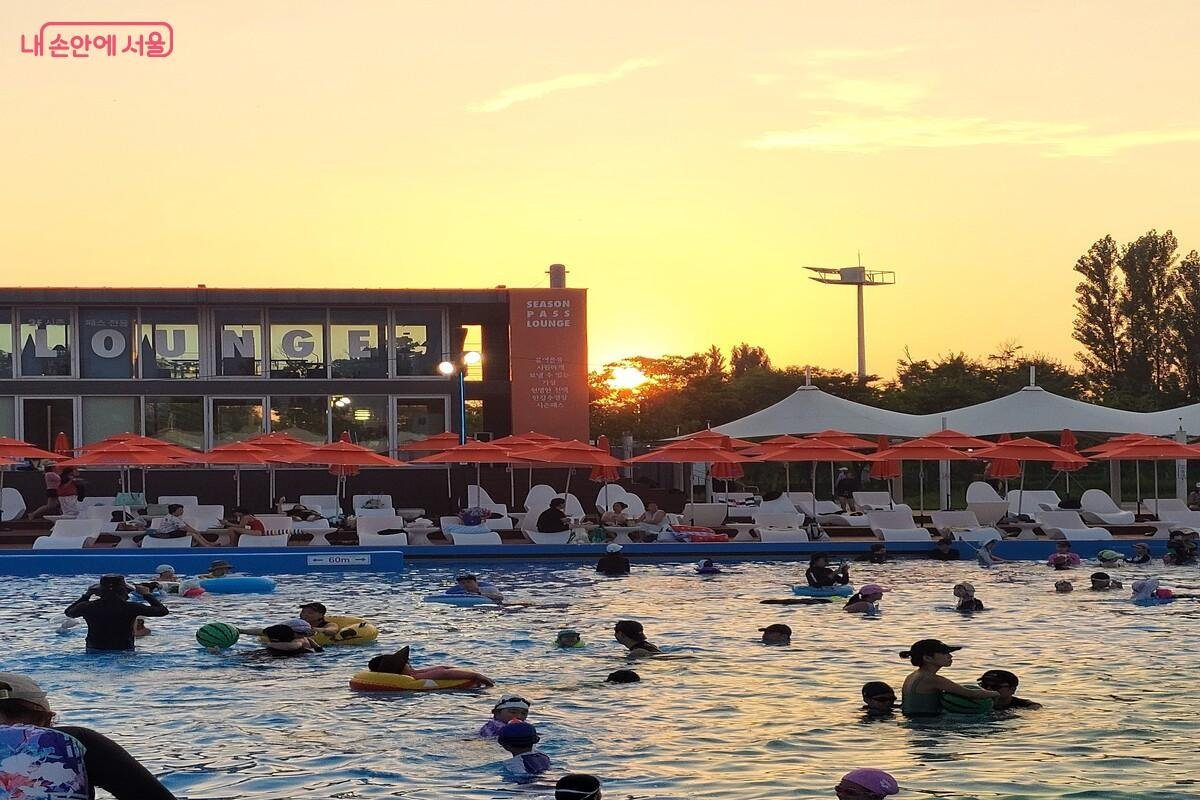
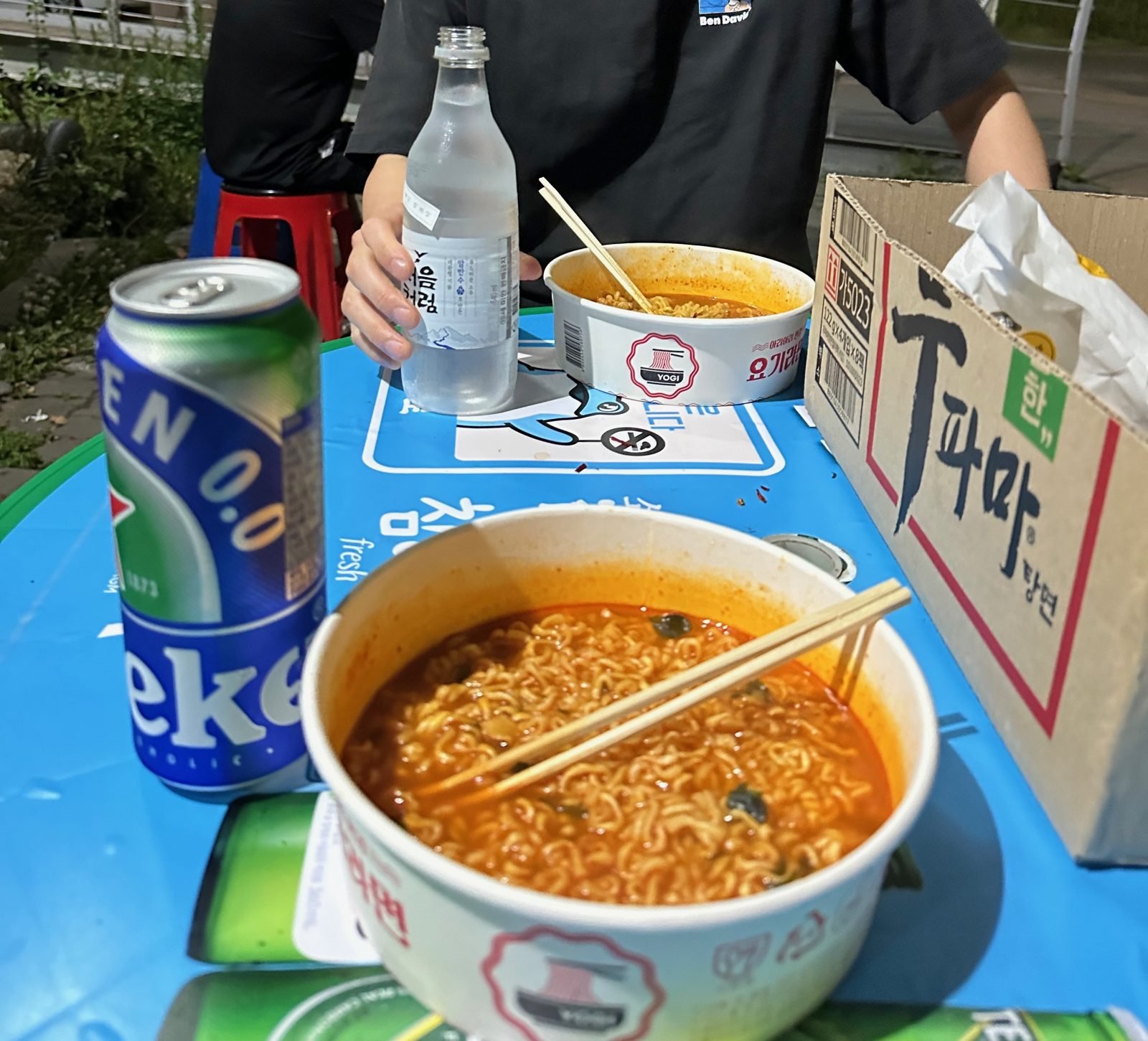
And here’s the part to plan around: as the evening comes on, take a break from the water and grab a spot on the grass as the sky turns red (sunset lands near 8 p.m. around late June and slips back through the 7-o’clock hour as summer goes on), walk to a riverside convenience store, and cook a bowl of Han River ramyeon at one of the self-serve ramyeon machines you’ll see there.
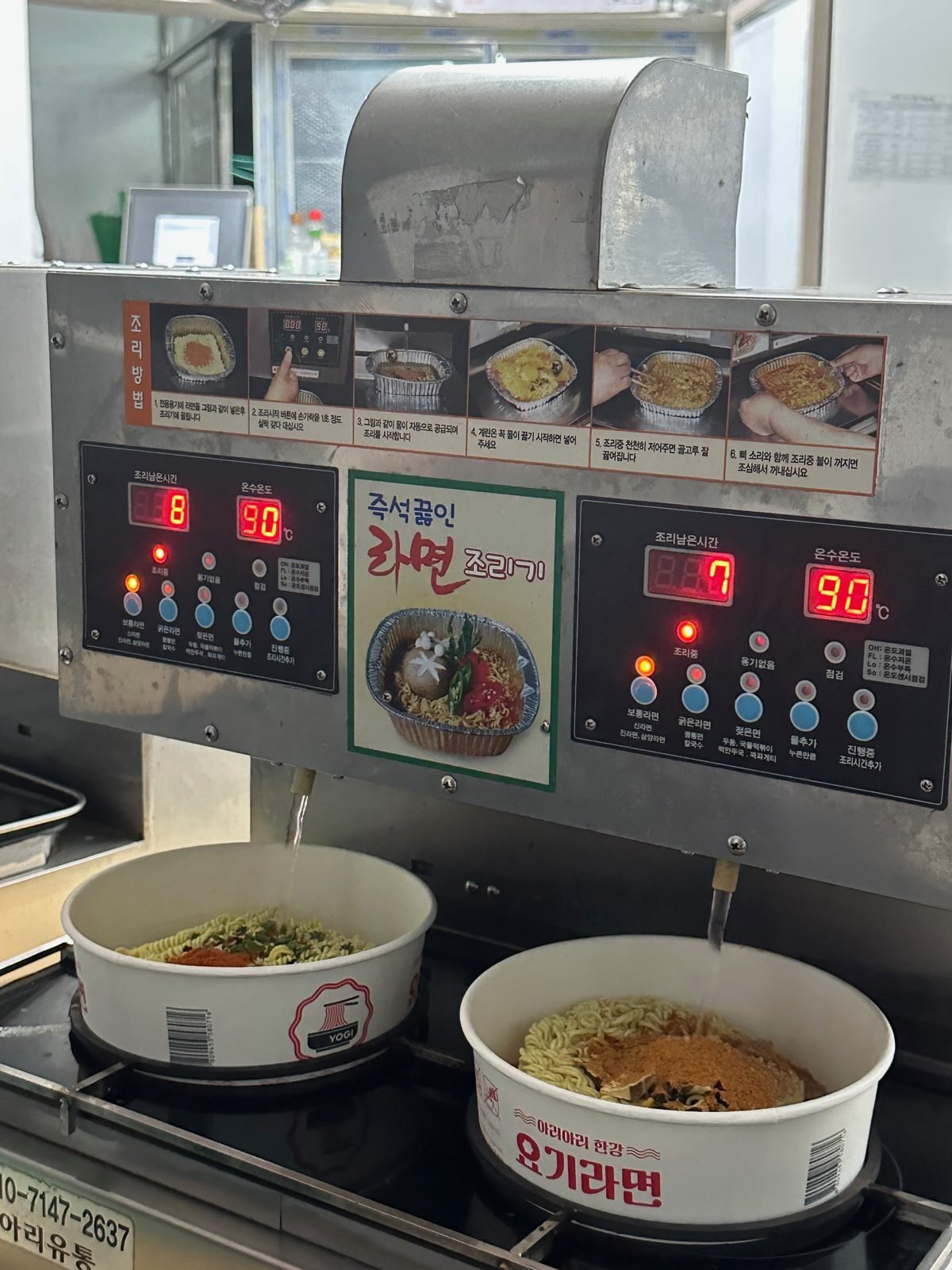
Instant noodles, a sunset over the river, a cold drink — it’s one of those small, cheap nights people end up remembering longer than the expensive ones.
FAQ
Is Korea too hot to visit in summer?
No, but plan around the humidity: hydrate, build in indoor breaks, and save big outdoor plans for mornings and evenings.
When is the rainy season?
Usually about a month from late June into July, but it shifts every year and isn’t forecast in advance — check the KMA forecast close to your trip.
What’s the cheapest way to cool off in Seoul?
A Han River outdoor pool (about 5,000 won) or feet-in-the-water at a mountain valley.
Are mosquitoes a problem?
In summer, usually near water and at night — though a heat wave can thin them out. For bites, ask a pharmacist for Bermuli rather than reaching for mulppas.
Read next: beat the midday heat indoors at Gwangjang Market, and get your data sorted before you land with a Korea eSIM.